What Is Cocoa Powder?
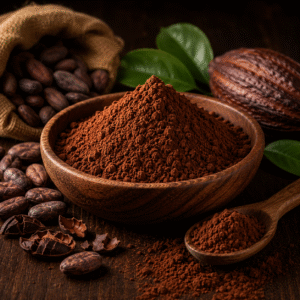 Cocoa powder is one of the most essential ingredients in the baking, confectionery, and beverage industries. It is loved for its rich chocolate flavor, deep aroma, and versatility in creating delicious desserts, cakes, brownies, cookies, beverages, ice creams, chocolates, and many other food products.
Whether you’re a home baker, café owner, chocolatier, bakery professional, or food manufacturer, selecting the right cocoa powder can significantly impact the taste, texture, appearance, and quality of your final product.
In this guide, you’ll learn everything about cocoa powder—from how it’s made to its different types, benefits, uses, and practical tips for choosing the best cocoa powder. You’ll also discover why Walksea Industries Premium Cocoa Powder has become a trusted choice among professionals seeking consistent quality and excellent performance.
What Is Cocoa Powder Made From?
Cocoa powder is a fine, dry powder made from cocoa beans—the seeds of the cacao tree (Theobroma cacao), a tropical plant primarily cultivated in regions near the equator. The name Theobroma literally means “food of the gods,” reflecting cocoa’s rich history and cultural significance.
After harvesting, cocoa beans undergo fermentation, drying, roasting, and grinding. The resulting cocoa liquor is then pressed to remove much of its natural cocoa butter. The remaining cocoa solids are finely milled to create cocoa powder.
Unlike chocolate bars, which contain cocoa butter and sugar, cocoa powder offers concentrated chocolate flavour with relatively low fat content. This makes it a versatile ingredient for both sweet and savory applications.
Today, cocoa powder is widely used in:
- Cakes and brownies
- Cookies and muffins
- Chocolate beverages
- Ice creams and frozen desserts
- Confectionery products
- Bakery premixes
- Dessert sauces
- Professional food manufacturing
A Brief History of Cocoa
Cocoa has been cherished for thousands of years. Ancient civilizations such as the Mayans and Aztecs valued cocoa beans so highly that they were used not only to prepare ceremonial drinks but also as a form of currency.
When cocoa reached Europe in the 16th century, it gradually evolved into the chocolate products we know today. Modern processing methods introduced in the 19th century made it possible to separate cocoa butter from cocoa solids, giving birth to cocoa powder—a breakthrough that transformed baking and chocolate production around the world.
Today, cocoa powder is an indispensable ingredient in both artisan kitchens and large-scale food manufacturing.
How Is Cocoa Powder Made?
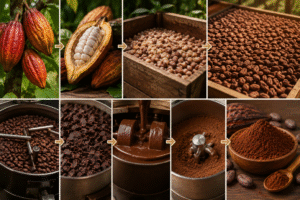
The journey from cocoa bean to cocoa powder involves several carefully controlled steps that ensure quality, flavor, and consistency.
- Harvesting
Ripe cocoa pods are harvested from cacao trees. Each pod contains dozens of cocoa beans surrounded by a sweet white pulp.
- Fermentation
Fresh beans are fermented for several days. This natural process develops the characteristic chocolate flavor and reduces bitterness.
- Drying
The fermented beans are dried under controlled conditions to reduce moisture, making them suitable for storage and transport.
- Roasting
Roasting enhances the beans’ aroma and deepens their chocolate flavor. Temperature and roasting time are carefully managed to achieve the desired taste profile.
- Grinding
The roasted beans are cracked, their shells removed, and the nibs are ground into a thick paste known as cocoa liquor.
- Pressing
The cocoa liquor is pressed to extract a significant portion of its cocoa butter. What remains is a dense cocoa cake made primarily of cocoa solids.
- Milling
The cocoa cake is finely ground into cocoa powder, resulting in a smooth ingredient ready for baking, beverages, desserts, and industrial food production.
This carefully controlled process is what gives premium cocoa powder its rich flavor, fine texture, and excellent performance across a wide range of recipes.
Why Cocoa Powder Is an Essential Ingredient
Cocoa powder is far more than just a flavoring ingredient. It contributes to multiple aspects of a finished product, including:
- Rich chocolate taste
- Deep brown colour
- Appealing aroma
- Balanced bitterness
- Moist texture in baked goods
- Consistent flavour across batches
For professional bakers and food manufacturers, these qualities are critical because they help ensure that every product meets customer expectations.
A high-quality cocoa powder also blends more easily into batters, doughs, creams, and beverages, making production more efficient and improving the overall quality of the final product.
Types of Cocoa Powder
Not all cocoa powders are the same. The type of cocoa powder you choose can significantly affect the flavour, colour, texture, and overall quality of your final product. Understanding the differences will help you select the right cocoa powder for your baking or food production needs.
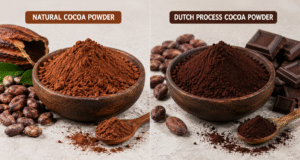
Natural cocoa powder is made by grinding cocoa solids without any additional chemical treatment. It retains its natural acidity, giving it a bold chocolate flavour with slight fruity notes.
Key Characteristics
- Light to medium brown colour
- Rich and intense chocolate flavour
- Naturally acidic
- Works best with baking soda
- Ideal for traditional baking recipes
Best Used In:
- Chocolate cakes
- Brownies
- Cookies
- Muffins
- Cupcakes
Dutch-process cocoa powder is treated with an alkalizing solution to reduce its natural acidity. This process creates a smoother flavor, darker color, and improved solubility.
Key Characteristics
- Dark brown colour
- Smooth and mellow chocolate taste
- Less acidic
- Dissolves easily
- Creates a richer appearance in desserts
Best Used In:
- Premium cakes
- Ice creams
- Chocolate beverages
- Mousses
- Dessert sauces
- Premium confectionery
Natural Cocoa Powder vs Dutch Process Cocoa Powder
| Feature | Natural Cocoa Powder | Dutch Process Cocoa Powder |
| Flavor | Strong & Bold | Smooth & Mild |
| Color | Light Brown | Dark Brown |
| Acidity | High | Low |
| Best With | Baking Soda | Baking Powder |
| Ideal For | Cakes, Cookies | Desserts, Beverages, Premium Baking |
Nutritional Value of Cocoa Powder
Unsweetened cocoa powder is valued not only for its chocolate flavor but also for the nutrients naturally present in cocoa solids. It contains minerals such as magnesium, iron, potassium, and copper, along with plant compounds called flavonoids.
Because cocoa powder is typically used in small quantities, it should be viewed as a flavorful ingredient rather than a primary source of nutrition. The nutritional profile of the finished recipe will also depend on ingredients like sugar, butter, milk, and cream.
Benefits of Cocoa Powder
Premium cocoa powder offers several advantages for both home bakers and commercial food businesses.
Rich Chocolate Flavour
It delivers an authentic chocolate taste that enhances cakes, cookies, brownies, beverages, and desserts.
Excellent Colour Development
High-quality cocoa powder gives baked products and beverages a deep, attractive chocolate color that improves visual appeal.
Versatile Ingredient
It can be used in bakery products, confectionery, beverages, frozen desserts, dessert mixes, and food manufacturing.
Smooth Texture
A finely milled cocoa powder blends easily into batters, creams, fillings, and beverages, helping achieve consistent results.
Consistent Performance
For professional bakeries and food manufacturers, consistent quality is essential. Premium cocoa powder helps maintain the same taste, color, and texture across every batch.
Popular Uses of Cocoa Powder
Cocoa powder is one of the most versatile ingredients in the food industry.
Baking
- Chocolate Cakes
- Brownies
- Cookies
- Muffins
- Cupcakes
- Pastries
- Donuts
Beverages
- Hot Chocolate
- Cold Chocolate Drinks
- Milkshakes
- Smoothies
- Café-Style Mocha Beverages
Desserts
- Chocolate Mousse
- Ice Cream
- Puddings
- Dessert Sauces
- Tiramisu
- Truffles
Commercial Food Production
- Bakery Premixes
- Chocolate Fillings
- Dessert Mixes
- Ready-to-Drink Beverages
- Confectionery Products
- Chocolate Syrups

How to Choose the Best Cocoa Powder
Selecting the right cocoa powder can make a noticeable difference in the quality of your finished products. Here are a few important factors to consider:
- Check the Quality
Choose cocoa powder from a trusted manufacturer known for maintaining consistent quality standards.
- Consider Your Application
Natural cocoa powder and Dutch-process cocoa powder perform differently. Select the one that best suits your recipe.
- Look for Fine Texture
A finely milled powder blends smoothly and helps create a uniform batter or beverage.
- Evaluate Aroma
Fresh cocoa powder should have a pleasant, rich chocolate aroma, indicating good processing and storage.
- Choose a Reliable Supplier
Consistent supply and dependable product quality are especially important for bakeries, cafés, restaurants, and food manufacturers.
Why Choose Walksea Industries Premium Cocoa Powder?
When creating premium chocolate products, every ingredient matters—and cocoa powder is no exception. At Walksea Industries, quality is a priority. The company’s premium cocoa powder is developed to meet the needs of professional bakers, chocolatiers, cafés, restaurants, and food manufacturers who require dependable performance and consistent results.
Why Professionals Prefer Walksea Industries Premium Cocoa Powder
- Rich and authentic chocolate flavour
- Fine, smooth texture for easy mixing
- Excellent colour development in baked goods and desserts
- Consistent quality across every batch
- Suitable for cakes, brownies, cookies, beverages, chocolates, and dessert applications
- Ideal for both commercial production and home baking
Whether you are preparing artisan desserts or producing food on a larger scale, using high-quality ingredients helps ensure customer satisfaction. Walksea Industries Premium Cocoa Powder is designed to support that goal by offering reliable performance, making it a practical choice for businesses that value quality, consistency, and taste.
Conclusion
Cocoa powder is one of the most important ingredients in the world of baking, confectionery, and beverages. From its fascinating journey from cocoa bean to fine powder to its wide range of applications, it remains a favorite among home bakers and food professionals alike.
Choosing the right cocoa powder is about more than just chocolate flavor—it is about achieving the perfect balance of taste, texture, appearance, and consistency. By understanding the different types of cocoa powder and selecting a trusted supplier, you can create products that stand out in both quality and presentation.
If you are looking for a premium cocoa powder that delivers dependable performance and rich chocolate flavor, Walksea Industries Premium Cocoa Powder is a reliable choice. Designed for professional baking, confectionery, cafés, and food manufacturing, it helps you create delicious products while maintaining the consistency your customers expect.
Frequently Asked Questions (FAQs)
Q-Is cocoa powder the same as chocolate powder?
No. Cocoa powder is made from cocoa solids after most of the cocoa butter has been removed and is generally unsweetened. Chocolate powder usually contains sugar, milk solids, and flavoring ingredients.
Q-Which cocoa powder is best for baking?
The best choice depends on your recipe. Natural cocoa powder is commonly used in recipes that include baking soda, while Dutch-process cocoa powder is often preferred for its darker color and smoother flavor.
Q-Can cocoa powder be used in beverages?
Yes. It is widely used in hot chocolate, chocolate milk, mochas, milkshakes, smoothies, and café-style drinks.
Q-How should cocoa powder be stored?
Store it in an airtight container in a cool, dry place away from direct sunlight and moisture to maintain freshness and flavour.
Q-Why is premium cocoa powder important?
Premium cocoa powder provides better flavor, color, aroma, and consistency, helping bakers and food manufacturers achieve high-quality results every time.